
5 Ways You’re Sabotaging Your Own Sports Injury Rehab Without Realizing It
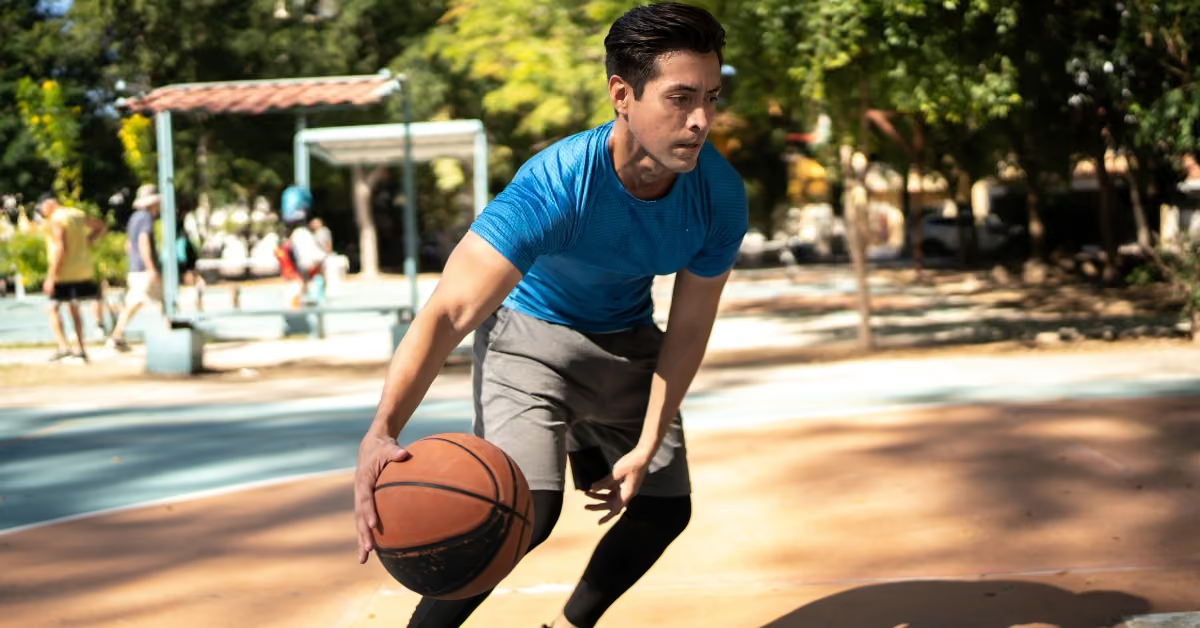
You put in the effort, follow your plan, and still feel like progress stalls. That’s frustrating, especially when sports injury rehab should be helping you get back to the activities you love.What many people don’t realize is that recovery can get sidetracked by small, unintentional habits that slow healing.At Revival Physical Therapy & Wellness, we see this all the time. You may be doing everything your therapist recommends, but subtle choices in your daily routine can undo that hard work. Sometimes it’s overtraining. Other times, it’s resting too much or skipping the details that matter most.You deserve to heal efficiently, rebuild strength, and move confidently again. Before you lose momentum, let’s uncover the hidden mistakes that could be holding you back—and how to fix them for good.
5 Ways You’re Sabotaging Your Own Sports Injury Rehab
1- Ignoring the Early Stages of Recovery
You might feel eager to get back to your workouts or the next soccer league at the National Sports Center in Blaine, but skipping the early stages of your rehabilitation can set you back. This phase focuses on protecting injured tissues and managing inflammation. Trying to run, lift, or play too soon can turn a minor issue into a chronic sports injury.During the acute phase, our team focuses on pain management, gentle mobility, and light functional training. These steps help your body begin the healing process safely while preventing future injuries.
2- Resting Too Much or Not Enough
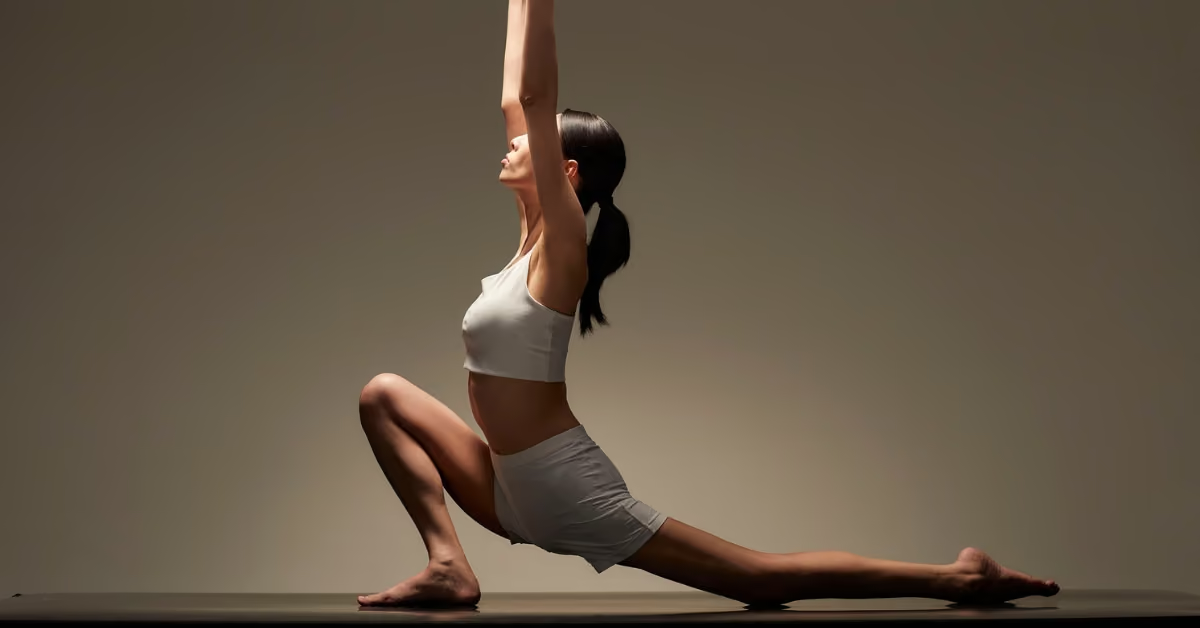
Finding the right balance between rest and movement can be tricky. Many athletes think complete rest is best, but low-intensity exercises and sports-specific movements actually help restore circulation and prevent stiffness. On the other hand, pushing too hard before your muscle strength returns can stress soft tissue and delay your full recovery.At Revival Physical Therapy & Wellness, we guide you through sports-specific training that helps you gradually increase your activity without crossing that fine line between healing and re-injury.
3- Skipping the Details in Your Treatment Plan
It’s easy to overlook the smaller components of your treatment plan, especially once pain starts to fade. But neglecting stabilization work, agility drills, or plyometric exercises can leave weak links in your body’s chain of muscle groups. Those weaknesses raise your risk of repetitive strain injuries or even stress fractures once you return to your sport.Your rehabilitation program isn’t just about fixing what hurts. It’s about improving balance, muscle coordination, and sports-specific exercises so you can return to full fitness safely and confidently.
4- Forgetting the Mental Side of Recovery
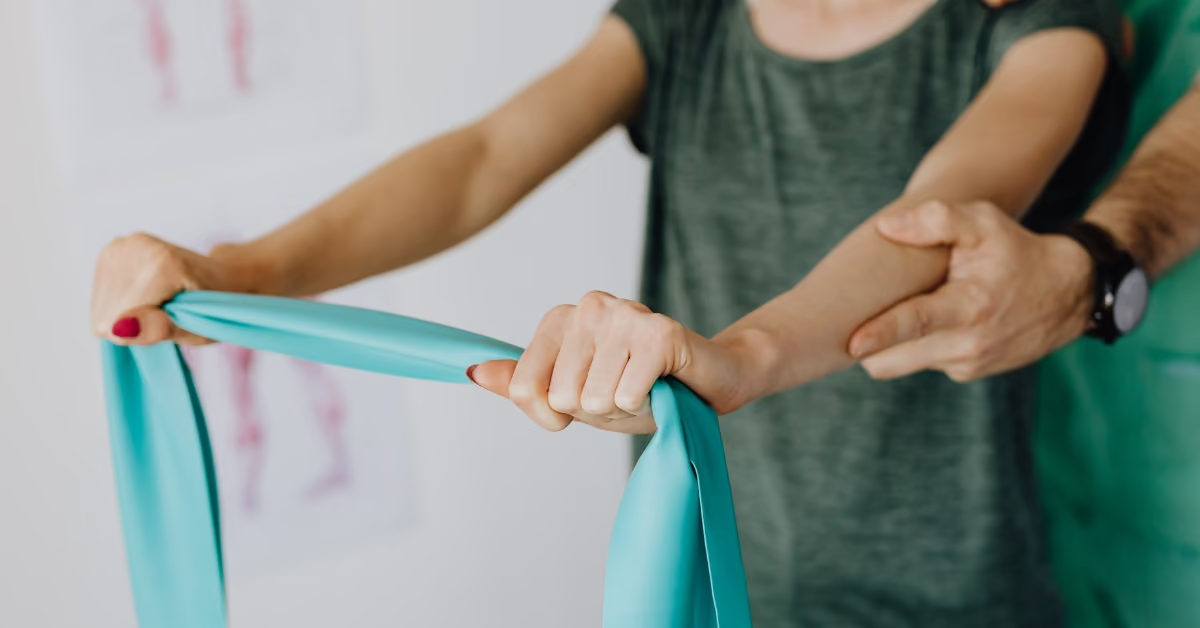
Recovering from a sports injury in a competitive environment like Minneapolis can be just as mental as it is physical. The frustration of missing your game or routine can weigh heavily on motivation. Ignoring this part of the process slows your recovery.That’s why we include psychological support and goal setting as part of your rehabilitation process. We talk through progress, celebrate small wins, and help you stay focused on your end goal—a confident return to sport without fear of re-injury.
5- Relying Too Much on Medication Instead of Movement
When pain hits hard, reaching for anti-inflammatory medications might seem like the easiest fix. But relying on medication alone doesn’t address the real issue. Without strengthening and functional movement, your injured muscles remain vulnerable.We use physical medicine techniques such as manual therapy, sports-specific exercises, and sport-specific tests to evaluate how your body moves. That approach helps you restore strength, correct movement patterns, and reduce pain naturally.Your recovery is our top priority. The goal isn’t just to heal—it’s to help you move better, play stronger, and return to your sport without limits.Whether you’re training indoors during the cold Minneapolis winter or preparing for summer races around Lake of the Isles, we’ll make sure your rehabilitation program keeps you at your best.
Get Back to What You Love with Revival Physical Therapy & Wellness
Personalized, One-on-One Sports Injury Rehabilitation
At Revival Physical Therapy & Wellness, every session is one-on-one with a Doctor of Physical Therapy. You never work with techs or aides. That means your treatment always fits you, your sport, and your goals.We take time to evaluate how your body moves, pinpoint the root cause of pain, and design a plan that builds strength where you need it most.Whether you’re recovering from shoulder injuries, a sprained ankle, or soft tissue injuries, we help you move from discomfort to confidence.

Restoring Strength and Preventing Future Injuries
You don’t just want to heal—you want to come back stronger. That’s why our rehabilitation programs focus on both recovery and injury prevention. We include:
- Sports-specific exercises that rebuild muscle coordination and balance• Functional training that prepares your body for real athletic movement• Agility drills to restore quickness and control• Strength progression to protect against repetitive strain injuries
You’ll learn how to train smarter, not harder, so you reduce your risk of future injuries and stay ready for the next game or race.
Supporting Your Whole Journey
Healing doesn’t stop when the pain fades. We support you through the entire rehabilitation process—physically, mentally, and emotionally.Our multidisciplinary team keeps you motivated with clear goals and feedback that help you see real progress.Whether you’re training for a local Twin Cities marathon or just want to return to your CrossFit workouts without pain, we help you stay consistent, confident, and ready for action.

Ready to Start Your Comeback?
You deserve a plan that helps you heal fully, stay active, and feel stronger than before. Call us today at 612-605-7594 or get in touch for your FREE Discovery Visit.We’ll help you take the next step toward full recovery and get you back to doing what you love.