
Physical Therapy for Golf Injuries: How Active Adults and Athletes Can Stay Pain‑Free on the Course

Introduction
Golf looks easy, but you feel every swing. Physical therapy for golf injuries matters if you want to keep playing without sitting out half the season.
With the right information, it becomes easier to understand why these injuries show up, what your body needs, and how physical therapy helps you stay active.
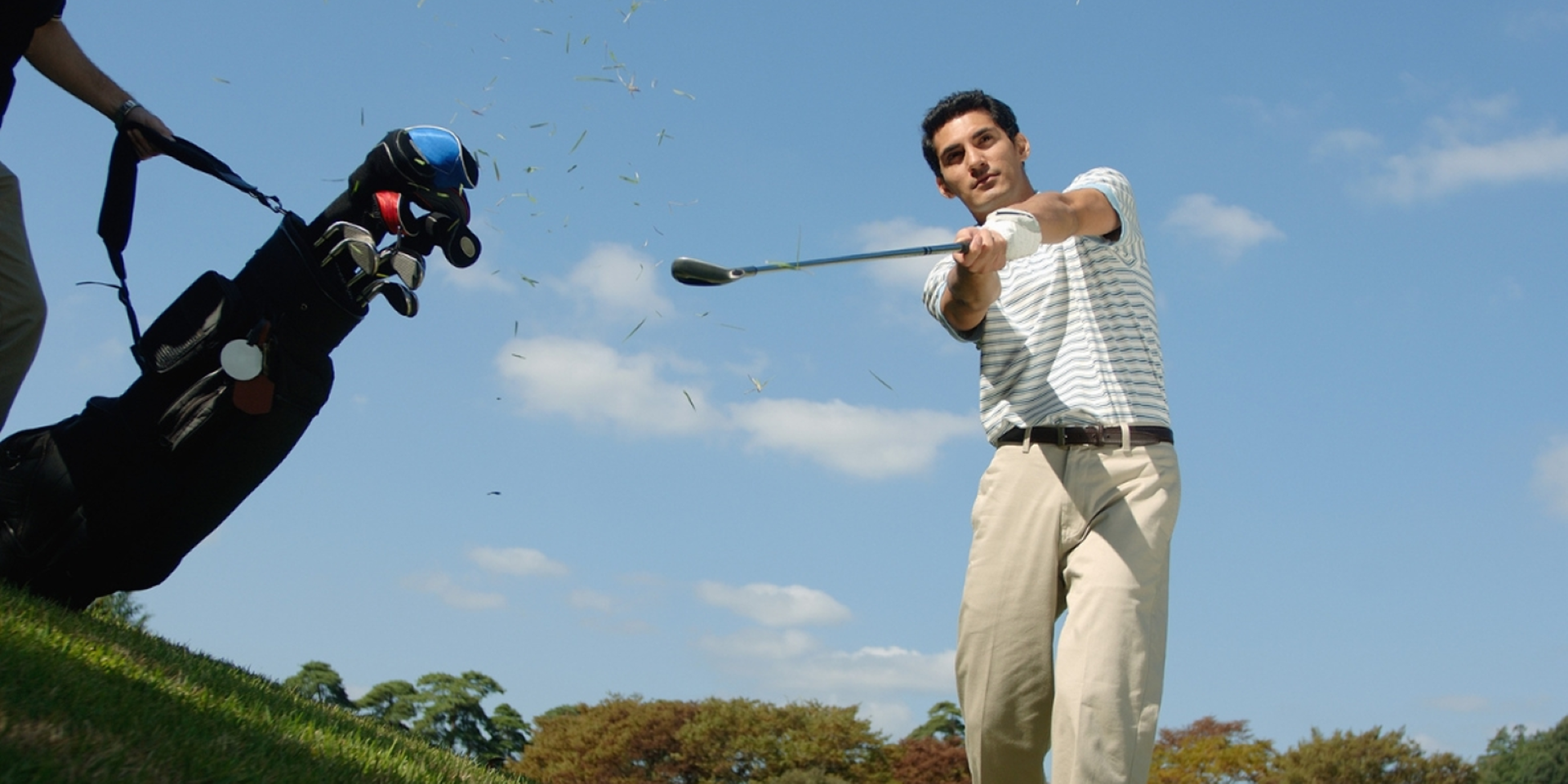
Physical therapy builds a plan to understand your pain, address the root cause, and prepare your body for the demands of both golf and other training.
Golf puts stress on the same areas you already use for lifting, running, or CrossFit. Some of the most common golf injuries include low back pain, golfer's elbow, shoulder pain, hip pain, and knee pain.
"If your mobility is limited or your strength is unbalanced, your body starts to borrow from other joints. That is when overuse injuries build and your swing no longer feels smooth."
To swing safely, your body needs hip mobility, thoracic spine rotation, core stability, and shoulder blade control. If you sit a lot for work or train hard without enough mobility work, those ingredients fade.
Conclusion
Physical therapy for golf injuries should feel different from a quick in and out clinic visit. You deserve time to tell your story and connect the dots between your life and your pain.
Instead of chasing only the painful spot, the goal is to find why that area started to complain. Your elbow might hurt, but the real problem could sit in your shoulder.
A helpful plan often blends hip mobility drills, thoracic rotation work, and core training that teaches your trunk to resist rotation and control power.